


How Building Energy Ratings Impact Property Value in Ireland
In Ireland, building energy ratings (BER) have become a crucial factor in the property market. These ratings provide a clear indication of a building's energy efficiency, influencing not only energy costs but also the overall value of a property. Understanding how BER affects property value can help homeowners, buyers, and investors make informed decisions.
What Are Building Energy Ratings and Why Do They Matter?
Building energy ratings are assessments that measure the energy performance of a property. The rating is expressed on a scale from A to G, with A-rated buildings being the most energy-efficient and G-rated the least. This rating reflects how much energy a building consumes for heating, lighting, and hot water.
The importance of building energy ratings lies in their ability to:
Reduce energy bills: More efficient buildings cost less to heat and power.
Lower carbon footprint: Energy-efficient homes contribute less to environmental pollution.
Increase market appeal: Properties with higher BERs attract more buyers and can command higher prices.
In Ireland, the BER system is mandatory for all properties being sold or rented. This transparency helps buyers understand the potential running costs and environmental impact before making a purchase.

How Building Energy Ratings Influence Property Value
The impact of building energy ratings on property value is significant and multifaceted. Here are some key ways BER affects property prices in Ireland:
1. Higher Demand for Energy-Efficient Homes
Buyers are increasingly aware of energy costs and environmental concerns. Properties with a high BER rating (A or B) are more attractive because they promise lower utility bills and a smaller carbon footprint. This demand often translates into higher property values.
2. Compliance with Regulations
Irish building regulations are becoming stricter regarding energy efficiency. Properties with poor ratings may require costly upgrades to meet legal standards, which can deter buyers or reduce the sale price.
3. Financing and Insurance Benefits
Some lenders and insurers offer better terms for energy-efficient properties. A good BER can make it easier to secure favorable mortgage rates or insurance premiums, adding to the property's appeal.
4. Resale Value and Marketability
A property with a strong BER is easier to sell and may achieve a premium price. Conversely, homes with low ratings might stay on the market longer and sell for less.
5. Impact on Rental Income
For landlords, a high BER can justify higher rents due to lower energy costs for tenants. This can increase the overall return on investment.

How do I get a BER certificate?
Obtaining a BER certificate is a straightforward process but requires professional assessment. Here’s how you can get one:
Hire a Registered BER Assessor
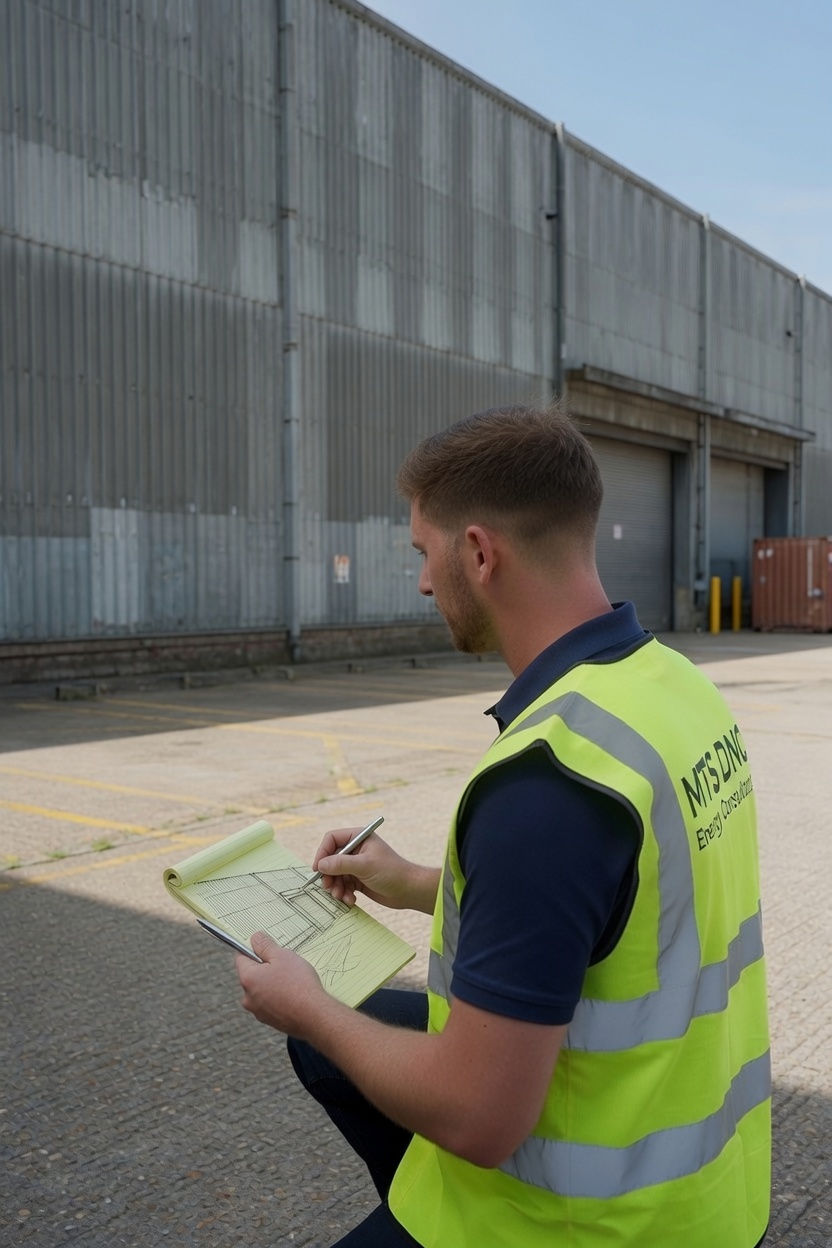
Only certified assessors can issue BER certificates. They will visit your property to conduct an energy evaluation.
Property Inspection
The assessor examines the building’s insulation, heating system, windows, and other energy-related features.
Data Analysis
Using specialized software, the assessor calculates the energy performance based on the inspection data.
Issuance of BER Certificate
The certificate includes the energy rating and recommendations for improving efficiency.
Validity and Updates
BER certificates are valid for 10 years but should be updated if significant energy improvements are made.
For those looking to get a ber cert, it is advisable to choose a reputable service provider to ensure accuracy and compliance with Irish regulations.

Practical Tips to Improve Your Building Energy Rating
Improving your building’s energy rating can enhance its value and reduce running costs. Here are some practical steps:
Upgrade Insulation: Adding or improving insulation in walls, roofs, and floors reduces heat loss.
Install Energy-Efficient Windows: Double or triple-glazed windows help maintain indoor temperatures.
Modernize Heating Systems: Replace old boilers with energy-efficient models or consider renewable options like heat pumps.
Use Smart Controls: Thermostats and timers optimize heating and lighting usage.
Seal Drafts: Prevent heat loss by sealing gaps around doors and windows.
Consider Renewable Energy: Solar panels or wind turbines can significantly boost your BER.
Implementing these measures not only improves your BER but also makes your property more attractive to buyers and tenants.
The Future of Building Energy Ratings in Ireland
As Ireland moves towards its climate goals, building energy ratings will play an even more critical role. The government is introducing stricter energy efficiency standards and incentives for retrofitting older buildings.
Mandatory Minimum BER: Soon, properties may need to meet minimum BER standards to be sold or rented.
Increased Grants and Supports: Financial assistance for energy upgrades will become more accessible.
Smart Home Integration: Energy monitoring and management technologies will become standard.
Staying informed and proactive about your property’s energy performance will be essential for maintaining and increasing its value in the coming years.
Understanding the impact of building energy ratings on property value is essential for anyone involved in the Irish property market. From reducing energy costs to enhancing marketability, a good BER offers tangible benefits. Whether you are buying, selling, or upgrading a property, prioritizing energy efficiency is a smart investment for the future.
📢 Need Help with Your BER Assessment?
At MTS DNC Energy Consultants Limited, we provide accurate and up-to-date BER assessments based on the latest SEAI standards. Whether you're renovating, building, or just curious about how your current building ranks, we’re here to help.
📞 Contact us today for expert advice and a tailored assessment.


Comments