


Non-Domestic BER Certificate Changes: How the New BER Methodology Affects Solar PV Benefits
The way Non-Domestic BER Certificates are calculated in Ireland has changed with the introduction of the updated BER methodology.
One of the areas where building owners may notice a difference is the impact of solar photovoltaic (PV) systems on the final BER rating.
Many commercial building owners assume that installing the same size PV system will always provide the same improvement in their BER rating. However, under the new methodology, the benefit from a PV installation may be lower compared with previous calculations, even when:
The PV array size remains unchanged
The building is identical
All other BER inputs remain the same
The actual impact depends on several factors, including the building's heating and hot water systems, electricity consumption profile, PV array size and battery storage capacity.
Understanding these changes is important for anyone planning a new commercial building, refurbishment project or BER improvement strategy.
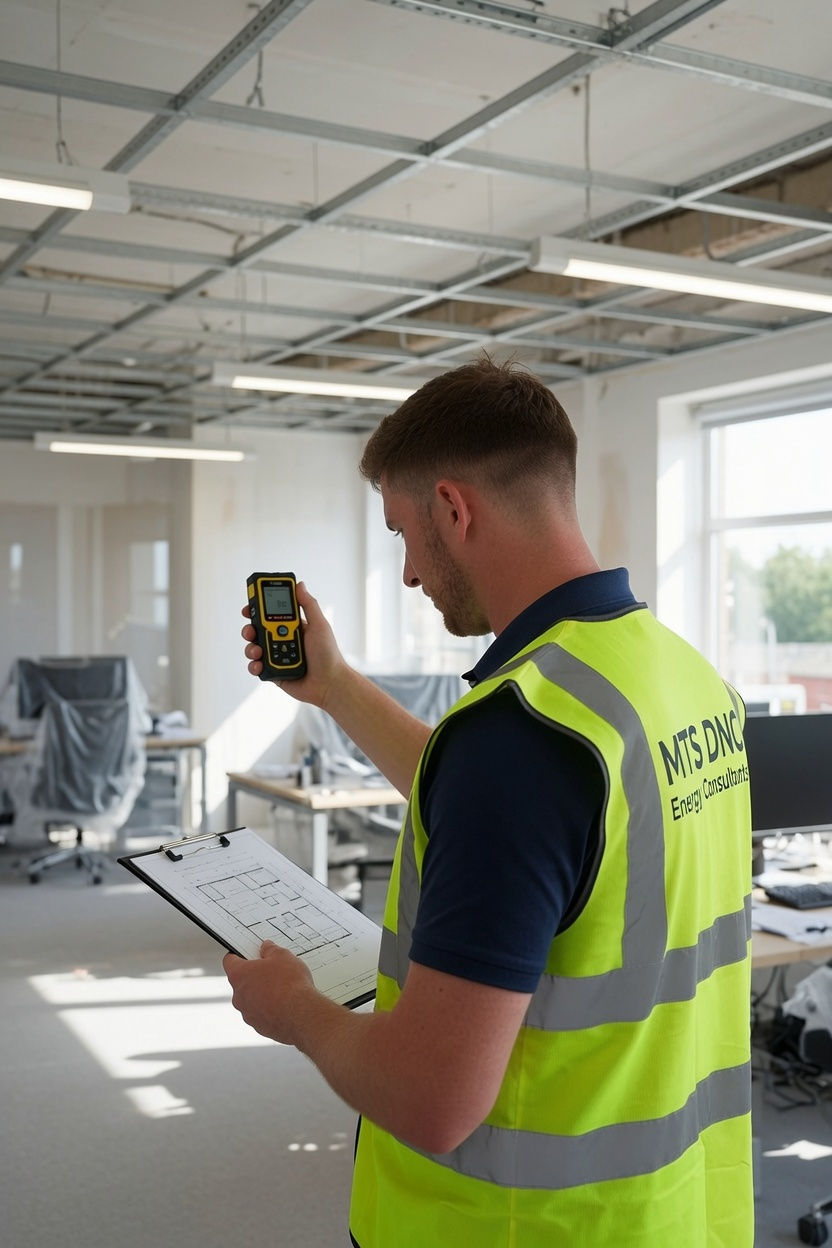
🏢 What Is a Non-Domestic BER Certificate?
A Non-Domestic Building Energy Rating (BER) Certificate measures the energy performance of commercial and non-residential buildings in Ireland.
The assessment is carried out using the Non-Domestic Energy Assessment Procedure (NEAP) methodology developed by the Sustainable Energy Authority of Ireland (SEAI).
The BER calculation considers many aspects of the building, including:
Building fabric performance
Heating systems
Cooling systems
Ventilation systems
Lighting efficiency
Hot water systems
Renewable energy technologies
Building controls
The final BER rating is displayed on a scale from:
A1 – Most energy efficienttoG – Least energy efficient
A better BER rating generally indicates lower energy consumption, reduced carbon emissions and improved building performance.
☀️ How Solar PV Improves a BER Rating
Solar PV systems generate renewable electricity that can reduce the amount of electricity imported from the grid.
The electricity produced by PV can be:
Used directly within the building
Stored in batteries
Exported to the electricity grid
When renewable electricity is used within the building, it reduces the calculated energy demand from grid electricity.
This can improve the building's BER rating.
However, the benefit depends on how much of the generated electricity is actually used on-site.
🔄 What Has Changed Under the New BER Methodology?
Under the updated Non-Domestic BER methodology, the contribution of PV systems to the BER rating has changed.
For the same PV system installed on the same building, the improvement in BER rating may be lower than before.
The reason is that the calculation now places greater emphasis on the relationship between:
Electricity generated by the PV system
Electricity consumed within the building
Electricity exported back to the grid
Where a building generates more electricity than it can use, a larger proportion of the PV output may be exported rather than directly reducing the building's energy consumption.
This means:
The lower the building's electricity demand and the larger the PV system installed, the smaller the additional BER benefit from increasing PV capacity.
⚡ How Does the Heating System Affect the PV Benefit?
The impact of the new methodology depends strongly on the building's heating and hot water systems.
🔥 Buildings Using Gas Heating Systems
Buildings with gas boilers for heating and hot water may experience a smaller BER improvement from PV.
This is because:
Heating energy is mainly provided by gas
Electricity demand may be relatively low
A larger percentage of PV generation may be exported
For example, an office building with:
Gas boiler heating
Low electrical loads
Large PV installation
may generate more electricity than it can consume during daytime operation.
In this case, increasing the PV array size may provide a limited additional improvement to the BER rating.
🔥⚡ Buildings Using Heat Pumps or Electrical Heating
Buildings with electrical heating systems may achieve greater benefits from PV.
Examples include:
Air-to-water heat pumps
Ground source heat pumps
Electric boilers
Electrically heated hot water systems
These systems increase electricity demand, allowing more PV-generated electricity to be consumed within the building.
As a result:
Less electricity is exported
More renewable energy offsets grid consumption
The PV system can have a greater impact on the BER rating
📊 Why Building Electricity Consumption Is Important
The relationship between PV generation and electricity demand is now a key factor.
Consider two buildings with the same 50 kWp PV installation.
Building A – High Electricity Consumption
Example:
Heat pump heating system
Electric hot water generation
High daytime occupancy
Significant electrical equipment loads
Most of the PV electricity is consumed within the building.
Result:
✅ Greater reduction in imported electricity✅ Higher PV contribution to BER improvement✅ Better utilisation of renewable energy
Building B – Low Electricity Consumption
Example:
Gas heating
Lower occupancy
Limited electrical loads
A significant amount of PV electricity is exported.
Result:
⚠️ Lower PV contribution to BER improvement⚠️ Smaller impact on the final BER rating
🔋 Does Battery Storage Improve the BER Rating?
Battery storage can increase the amount of PV electricity used within the building.
Without a battery:
Solar generation peaks during daylight hours
Electricity demand may be lower at certain times
Excess electricity is exported
With battery storage:
Excess solar electricity can be stored
Stored energy can be used later
Grid electricity demand can be reduced
However, the benefit depends on the building operation.
A battery will generally have a greater impact where:
The PV system is relatively large
Electricity demand occurs outside daylight hours
The building has variable occupancy patterns
📐 Bigger PV Systems Do Not Always Mean a Better BER Rating
A common assumption is:
"The more solar panels installed, the better the BER rating."
While renewable energy remains an important part of improving building performance, the optimum PV system size depends on the building.
A properly designed PV system should consider:
Annual electricity consumption
Heating and cooling systems
Building operating hours
Occupancy profile
Battery storage
Expected electricity export
Oversizing a PV system may result in a lower percentage of electricity being consumed within the building, reducing the additional BER benefit.
🏗️ What Should Building Owners Consider Before Installing PV?
Before investing in a commercial PV system, it is important to understand how it will affect the building's energy performance.
A professional energy assessment can evaluate:
Existing Non-Domestic BER rating
Current energy consumption
Heating system performance
Suitable PV capacity
Battery storage requirements
Expected BER improvement
This ensures the renewable energy investment is correctly sized and provides the best long-term value.
👷 Why Choose MTS DNC Energy Consultants?
At MTS DNC Energy Consultants, we provide specialist building energy consultancy services including:
Non-Domestic BER Certificates
Commercial BER Assessments
Energy efficiency assessments
Renewable energy analysis
Building energy modelling
Part L compliance advice
Retrofit and decarbonisation strategies
With extensive building services engineering experience, we assess how heating systems, renewable technologies and building performance interact to achieve practical energy improvements.
Final Thoughts
The updated Non-Domestic BER methodology changes how solar PV systems contribute to building energy ratings.
Although PV remains one of the most effective renewable technologies for reducing carbon emissions and energy costs, the BER benefit depends on how effectively the generated electricity is used within the building.
The greatest improvements are generally achieved by combining:
Energy efficiency measures
Efficient heating systems
Correctly sized PV installations
Battery storage where appropriate
For commercial buildings, the goal should not simply be installing the largest PV array possible, but designing an integrated energy strategy that delivers the best BER improvement and long-term operational savings.
👉 Contact us today for expert advice or to schedule your BER assessment.
For further inquiries or assistance, feel free to contact us.
Disclaimer:
The information provided in these posts is for informational purposes only and should not be considered design advice, specifications, or a calculation template. We assume no responsibility or liability for the use of the information presented. For professional advice or design services, please contact us via our contact form.


Comments