


Understanding BER Assessments Across Ireland
Energy efficiency is a growing priority for homeowners and businesses across Ireland. One of the key tools to measure and improve energy performance in buildings is the Building Energy Rating (BER) assessment. This process evaluates how energy efficient a property is and provides a rating that can influence property value, energy costs, and environmental impact. In this article, we will explore the essentials of building energy assessments Ireland, how they work, their benefits, and practical advice on navigating the process.
What Are Building Energy Assessments Ireland?
Building energy assessments in Ireland are evaluations conducted to determine the energy efficiency of residential and commercial properties. These assessments result in a Building Energy Rating (BER) certificate, which rates a building on a scale from A (most efficient) to G (least efficient). The rating reflects the building’s energy consumption and carbon emissions.
The assessment considers various factors such as insulation, heating systems, ventilation, and lighting. It is a legal requirement when selling or renting a property in Ireland, ensuring transparency about energy performance for potential buyers or tenants.
Key components of a BER assessment include:
Inspection of the building fabric (walls, roof, floors)
Evaluation of heating and hot water systems
Assessment of ventilation and lighting efficiency
Calculation of energy use and carbon emissions

This process helps identify areas where energy efficiency can be improved, leading to cost savings and reduced environmental impact.
The Importance of Building Energy Assessments Ireland
Understanding the energy performance of a building is crucial for several reasons. Firstly, it helps property owners reduce energy bills by highlighting inefficiencies. Secondly, it supports Ireland’s national goals to reduce carbon emissions and combat climate change. Thirdly, it enhances property market transparency, allowing buyers and renters to make informed decisions.
For example, a home with a BER rating of B or A will typically have better insulation and more efficient heating systems than one rated D or E. This means lower heating costs during the cold Irish winters and a smaller carbon footprint.
Benefits of a good BER rating include:
Lower energy bills
Increased property value
Eligibility for certain grants and incentives
Contribution to environmental sustainability
Businesses also benefit from BER assessments by improving their corporate social responsibility profile and potentially reducing operational costs.

How much does a BER assessment cost in Ireland?
The cost of a BER assessment in Ireland can vary depending on the size and type of the property, as well as the location and the assessor’s fees. On average, homeowners can expect to pay between €100 and €300 for a standard residential BER certificate.
Factors influencing the cost include:
Property size: Larger homes require more time to assess.
Property type: Commercial buildings or complex structures may cost more.
Location: Assessors in rural or remote areas might charge additional travel fees.
Additional services: Some assessors offer energy advice or follow-up reports for an extra fee.
It is advisable to obtain quotes from multiple registered BER assessors to ensure competitive pricing. Remember that investing in a BER assessment can lead to long-term savings by identifying energy improvements.
For more detailed information and to find certified assessors, visit ber assessments ireland.
How to Prepare for a BER Assessment
Preparing your property for a BER assessment can help ensure an accurate rating and potentially improve your score. Here are some practical steps to take before the assessor arrives:
Gather documentation: Have any previous energy certificates, building plans, or renovation details ready.
Check insulation: Ensure loft insulation is in place and walls are insulated if possible.
Service heating systems: A well-maintained boiler or heat pump operates more efficiently.
Replace old light bulbs: Use energy-efficient LED bulbs where possible.
Seal drafts: Check windows and doors for drafts and seal gaps.
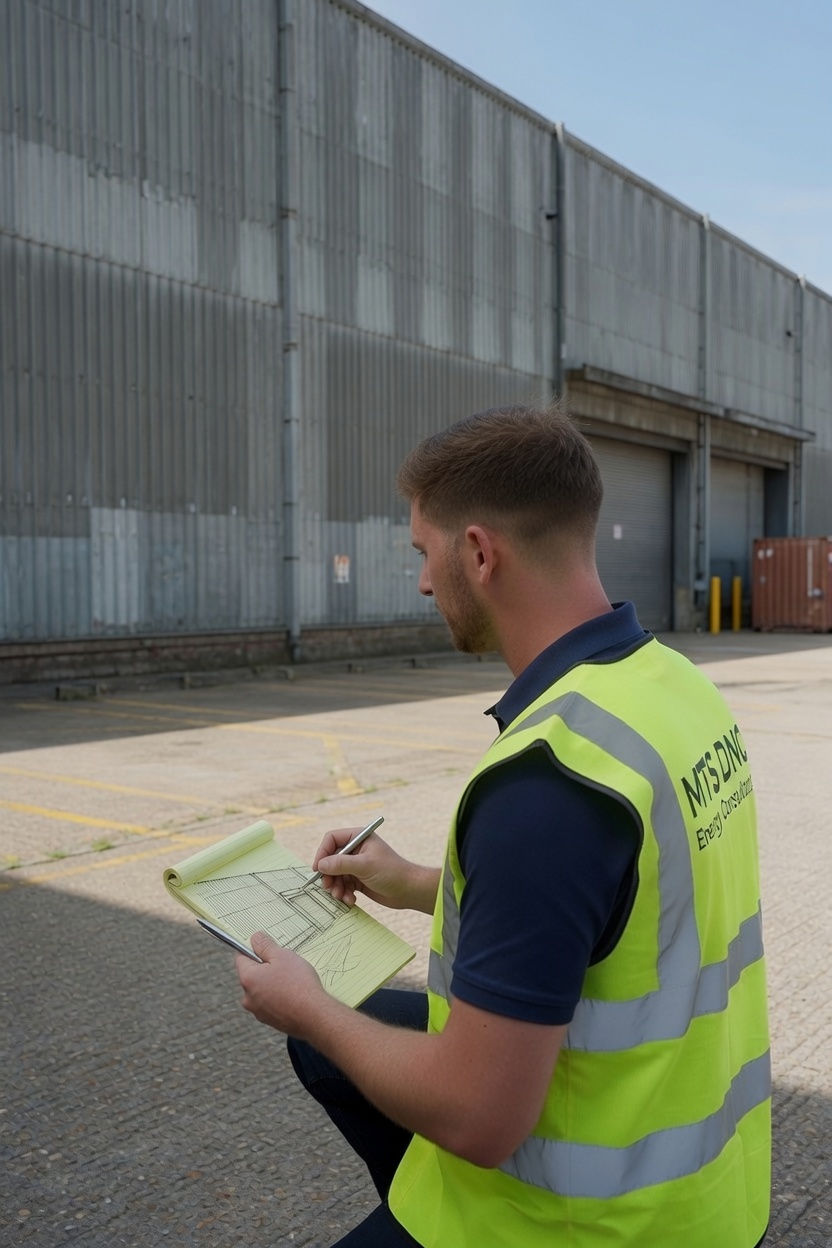
During the assessment, the assessor will inspect various parts of your property, including the attic, walls, windows, heating system, and ventilation. Providing easy access to these areas can speed up the process.
Tips for a smooth assessment:
Clear clutter from inspection areas
Ensure heating systems are operational
Have utility bills handy for reference
By taking these steps, you can help the assessor provide a more accurate and potentially higher BER rating.
Improving Your Building’s Energy Rating
Once you have your BER certificate, you may want to improve your building’s energy efficiency. The certificate will highlight areas where energy performance is lacking. Common improvements include:
Upgrading insulation: Adding or improving loft, wall, and floor insulation.
Installing energy-efficient windows: Double or triple glazing reduces heat loss.
Upgrading heating systems: Replacing old boilers with modern, efficient models or renewable energy systems like heat pumps.
Improving ventilation: Installing controlled ventilation systems to reduce heat loss.
Using renewable energy: Solar panels or solar water heating can reduce reliance on fossil fuels.
Many of these improvements may qualify for government grants or incentives, making them more affordable. For example, the Sustainable Energy Authority of Ireland (SEAI) offers grants for insulation and heating upgrades.
Steps to take for energy improvements:
Review your BER certificate recommendations.
Consult with a qualified energy advisor.
Prioritize improvements based on cost-effectiveness and impact.
Apply for available grants or incentives.
Schedule work with certified contractors.
Improving your building’s energy rating not only reduces costs but also increases comfort and property value.
Building energy assessments are a vital part of Ireland’s efforts to promote energy efficiency and sustainability. Whether you are buying, selling, or simply maintaining a property, understanding your building’s energy performance is essential. By preparing for assessments, understanding costs, and taking steps to improve energy efficiency, you can contribute to a greener future while enjoying financial benefits.

📢 Need Help with Your BER Assessment?
At MTS DNC Energy Consultants Limited, we provide accurate and up-to-date BER assessments based on the latest SEAI standards. Whether you're renovating, building, or just curious about how your current building ranks, we’re here to help.
📞 Contact us today for expert advice and a tailored assessment.


Comments